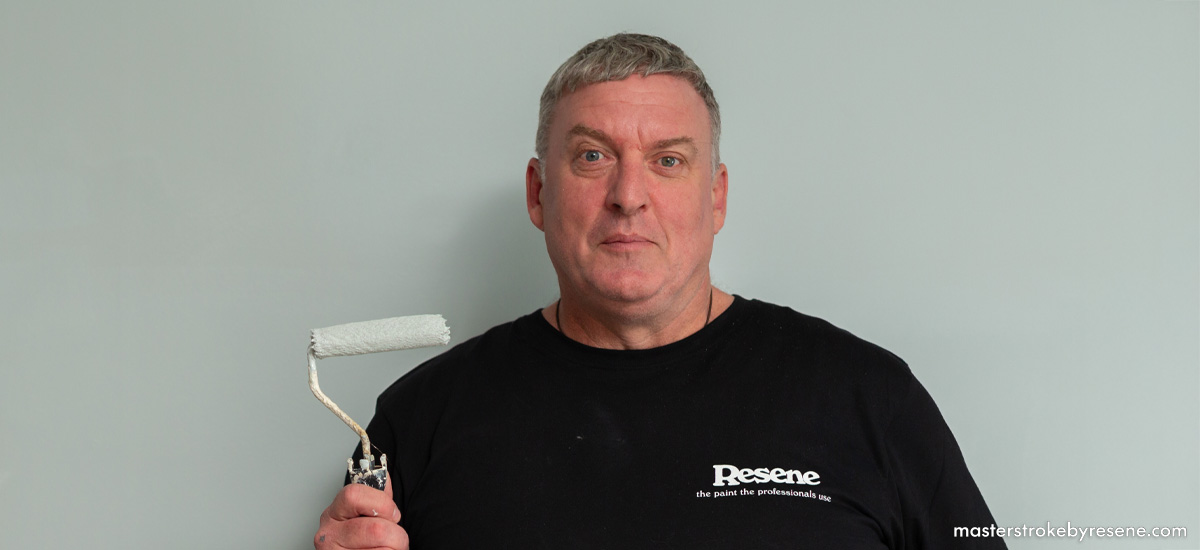
When times are tough, budgets and affordability are always front of mind. Resene Paint Expert Murdo Shaw has been in the game a long time and has a wealth of knowledge when it comes to efficient and affordable painting. Read on for his tips and tricks for painting on a budget.
Cost-effective DIY
While it’s one of the bigger DIY jobs, the good news that it’s relatively easy to repaint a single-story home on a flat section yourself, and even easier if it’s plaster or weatherboard with aluminium windows (which are not typically repainted). You have options at Resene as a selection of products and colours are available in 10-litre pails – these provide great value for money on the cost-per-litre basis.
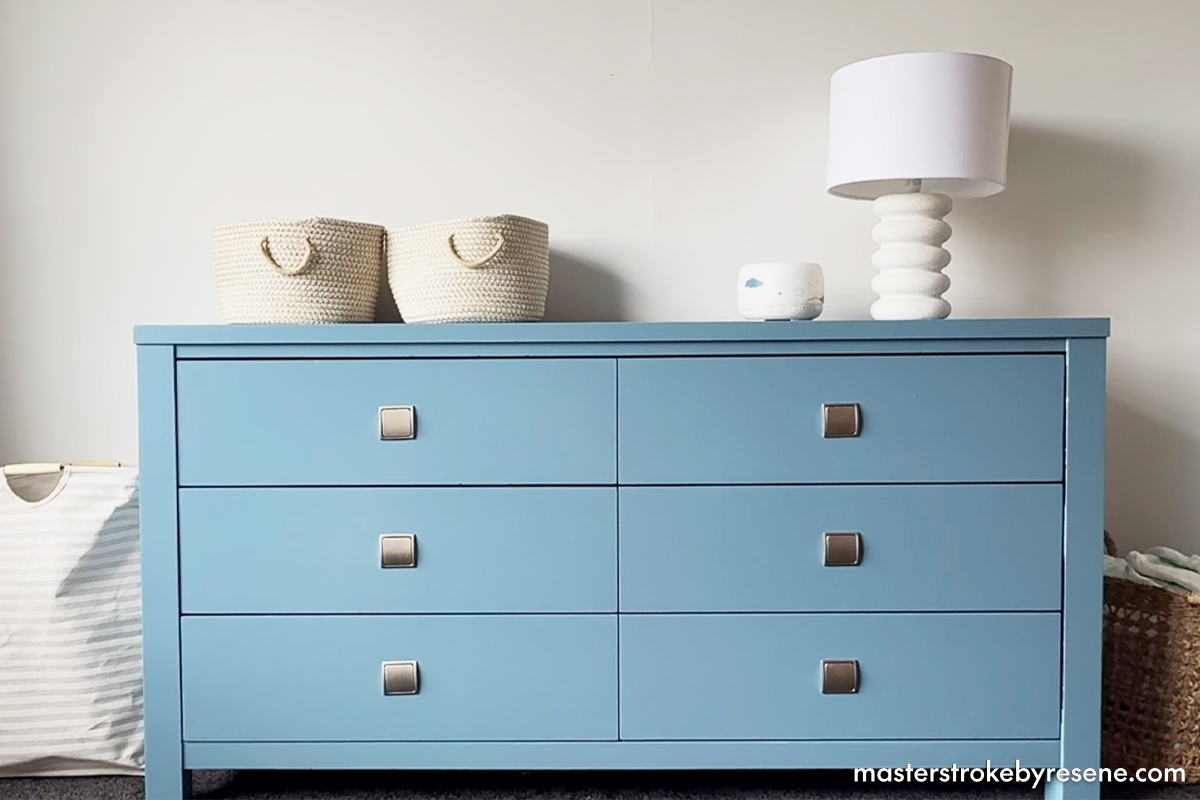
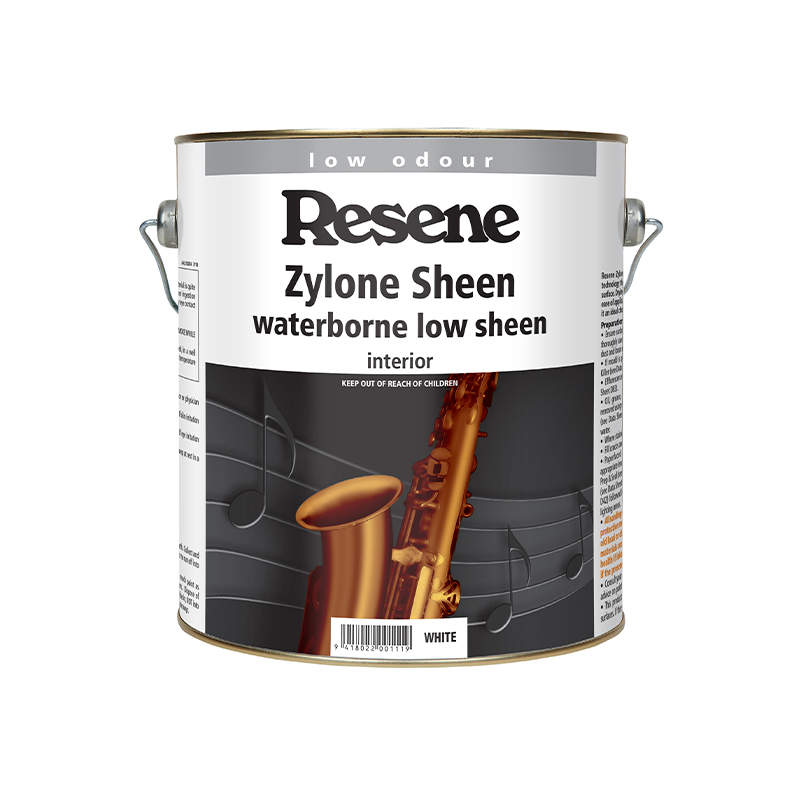
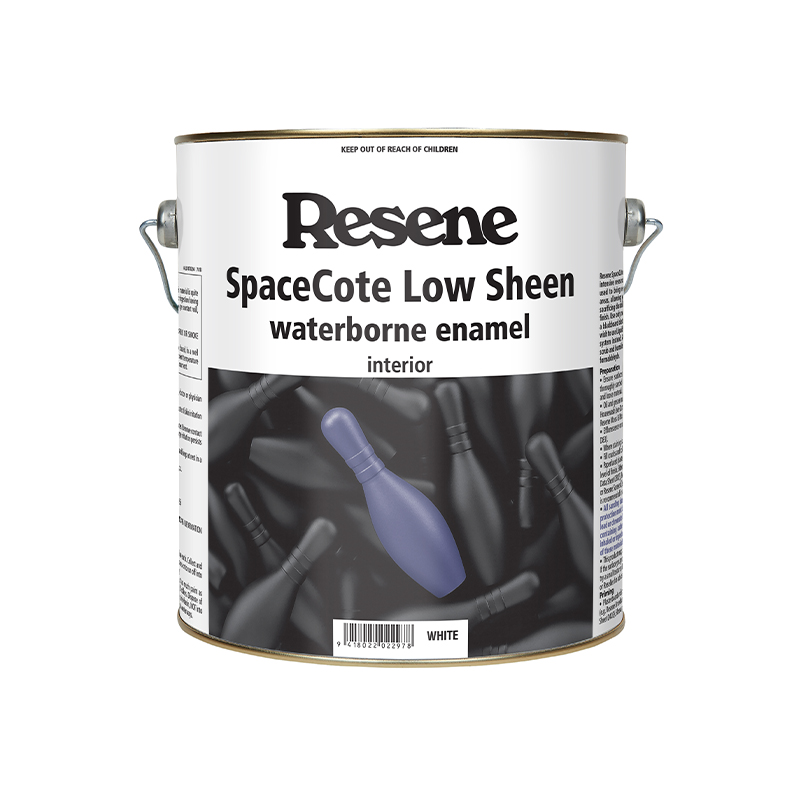
Another option when it comes to indoor painting is to use the more affordable Resene Zylone Sheen instead of SpaceCote Low Sheen, with the compromise being that it is less wipeable (but as wipeable or better that similar products).
As darker paint colours are more expensive than lighter due to the more costly pigments used to create strong, vibrant colours, selecting colours that aren’t too deep to freshen up your space or exterior is another cost saving option. Be wary that they may not have the same impact as a darker, more contemporary colour scheme. As an alternative to painting all the walls in a deep shade, try a feature wall instead.
Save your pennies
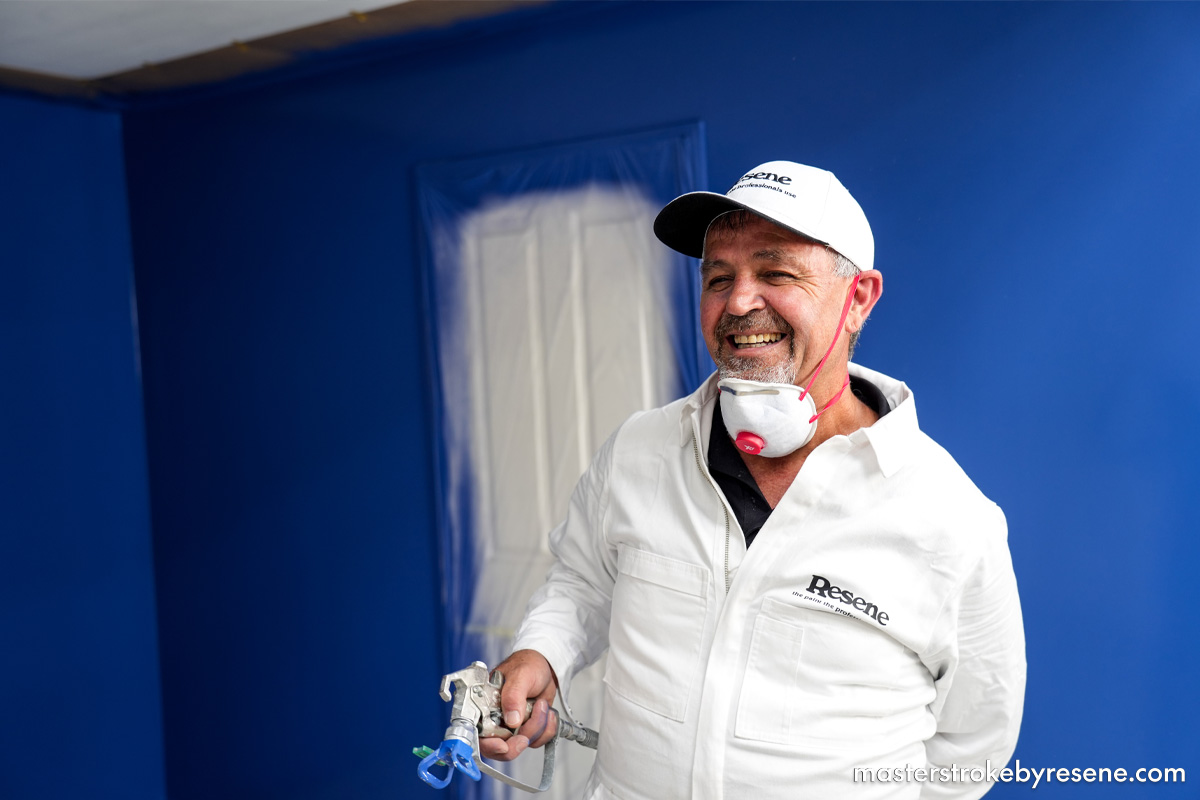
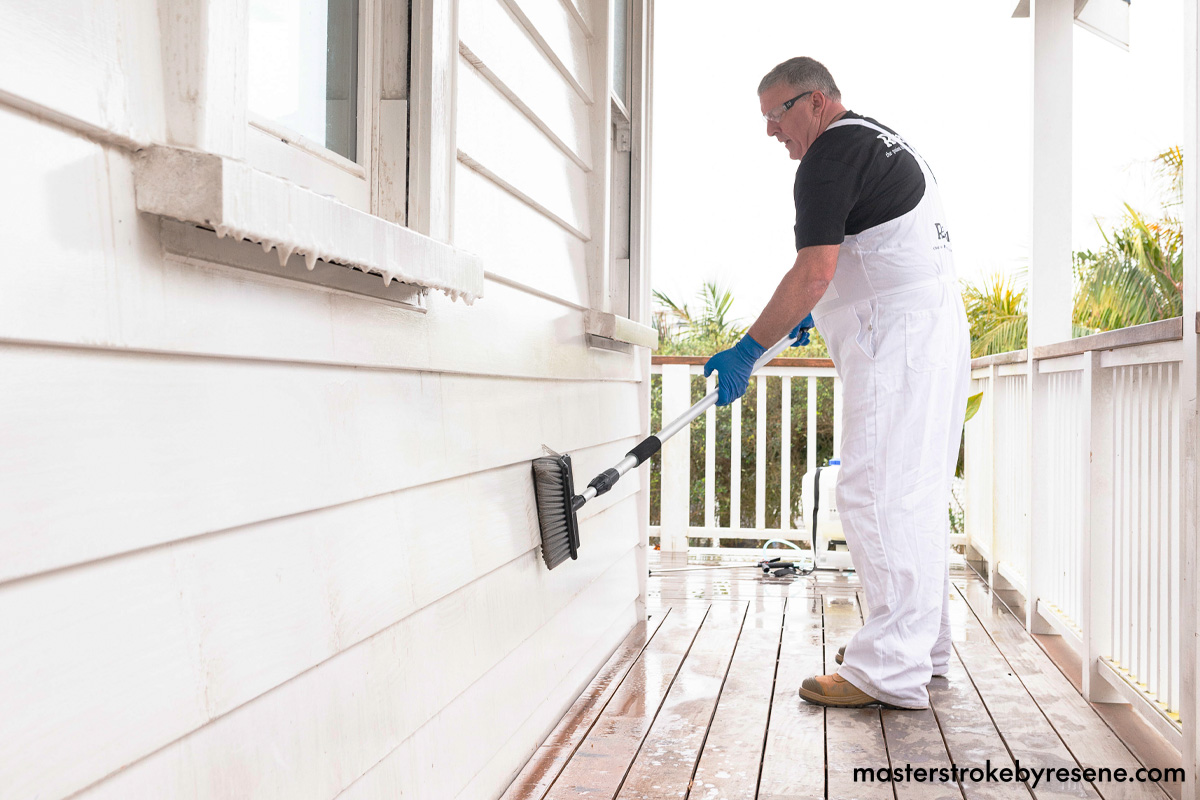
Murdo says that the key way to save money when it comes to painting is to do the job properly the first time! “One of the biggest money wasters in painting is not doing things properly in the first place and having to do the job again, or having the coating fail prematurely,” he says. Aside from the paint, the next biggest investment in a painting project will be your time, so good prep is also crucial. “Preparation is 90% of painting, and skipping this or cutting corners can cost you serious dollars in rework.”
When it comes to buying paint, budget paint is budget for a reason – it doesn’t tend to cover, last as long, look as good and the colours usually fade faster. Quality paint is made to last and includes ingredients like rust inhibitors (to slow down nail head corrosion on weatherboards) to help your paint last. It’s also designed to cover with two coats. Most of the cost of a painting project is in the time spent painting, so it’s best to choose high quality paint so that you can put it on without needing extra costs or having to repaint too soon.
No leftovers
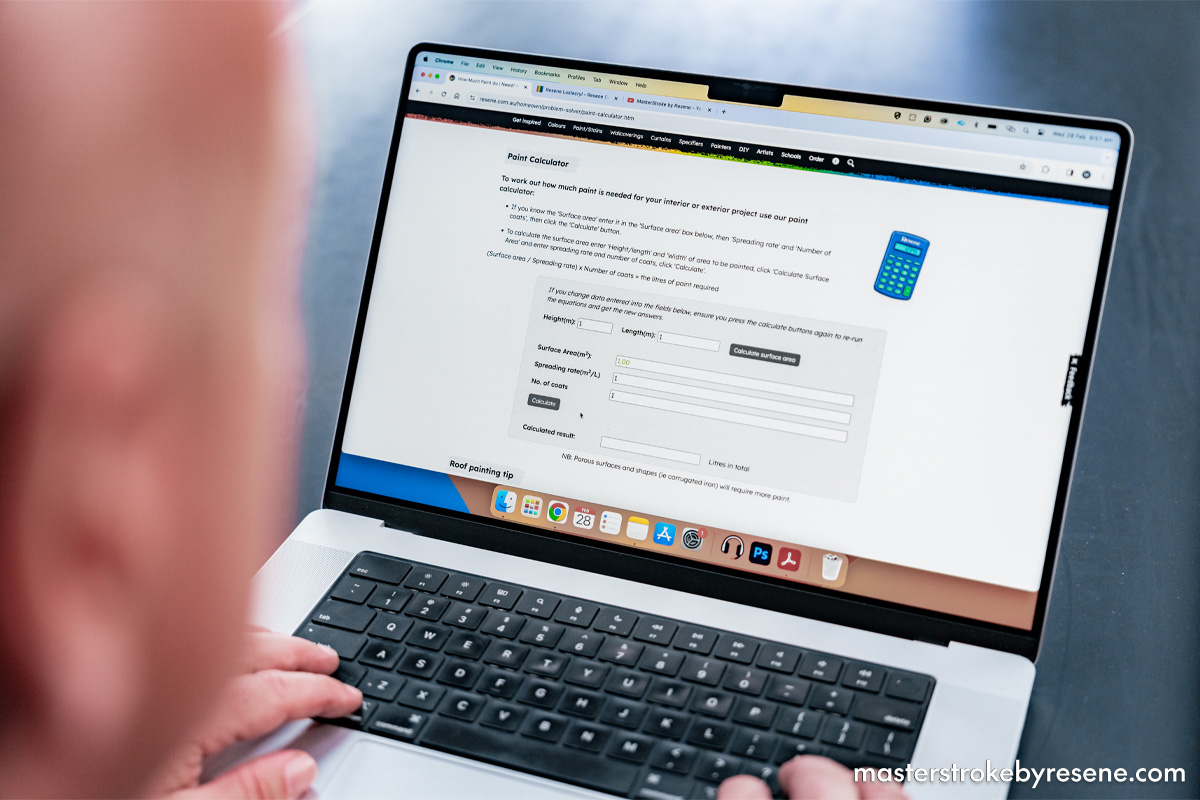
Overestimating how much paint you need is another way to waste money but luckily there is an easy way to work out exactly how much you need before heading into your local Resene ColorShop. We’ve got a handy paint calculator below which will calculate how much paint you need for your project.
Murdo also recommends reading the product labels or data sheets to check the spread rate for each Resene paint you’re using, as these can vary. “If you’re in-store, you can ask our Resene ColorShop team and they can advise on the amounts you need for your project.”
Make sure you’re putting on the right amount of paint. You can check this by checking the size of the area you are painting and how much of the paint it should use, for example, a space that measures 6 x 2 metres will usually use around 1 litre of paint. If you paint the area and find you have lots of paint left over, it usually means you’ve applied it too thin and will need to put on more to make sure you’ve got the right amount of protection for your surfaces.
Paint helps to protect the surface underneath it. It is much easier and cheaper to repaint than it is to replace weatherboards or walls that have failed because they weren’t well protected.