How to

Using wood stains to enhance your interior spaces

Interior wood stains are a great way to showcase timber features in your home. Equal parts contemporary and comforting, the natural warmth of wood is an homage to nature and brings the outside in. 

Why stain?

Interior wood stains don’t just rejuvenate and enhance interior timber by showing off the timber grain, they protect it from UV, water and mould damage, as well as everyday wear and tear. Interior timber surfaces are usually overcoated with a clear finish for further protection (some timbers can be very porous, meaning even dirty fingers can leave marks). This coating also makes the timber super easy to dust and wipe clean.  

Interior vs exterior stain

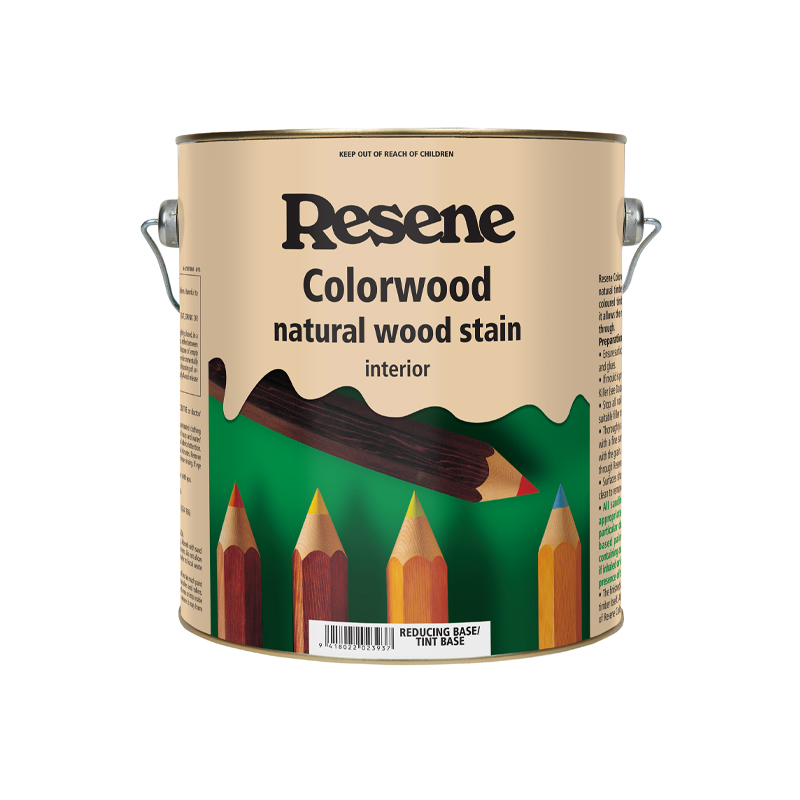
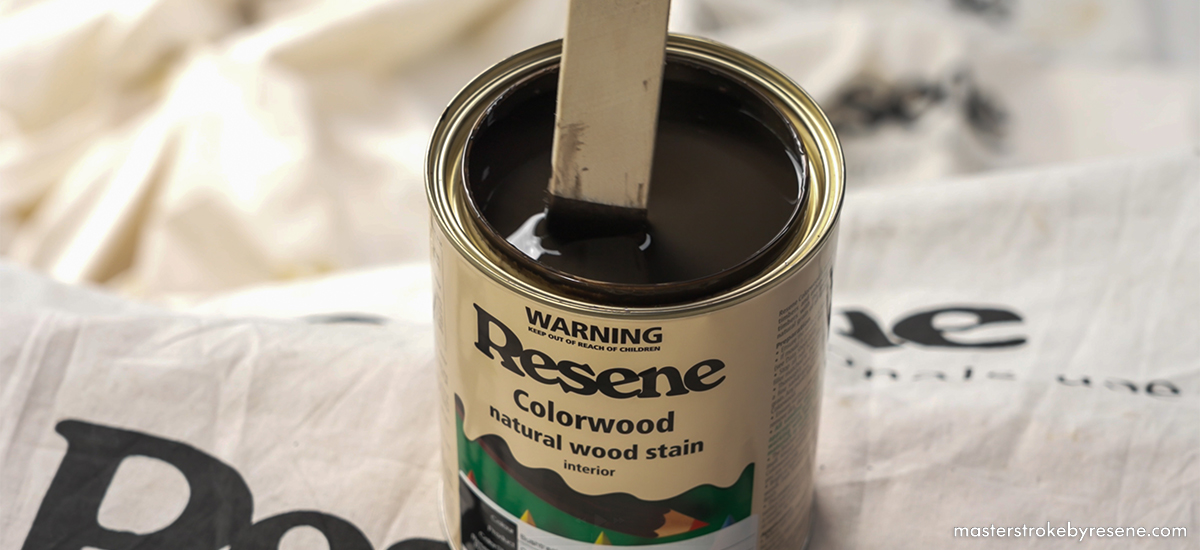
These are formulated differently, with weather resistance being the key difference. For exterior projects like weatherboards, decks, fences and furniture, use the Resene Woodsman range. For interior surfaces like doors, floors, feature walls, trims and joinery, use Resene Colorwood – it’s considered a ‘wiping stain’ which means it is applied and excess wiped away. available in a range of natural shades as well as vibrant colours, it has a low odour and can be easily applied with a brush. 

However, if you have fallen in love with a Resene Woodsman exterior stain colour, it can be created as a Resene Colorwood interior stain. Just ask your local Resene ColorShop to tint your desired colour for you.

Extra protection

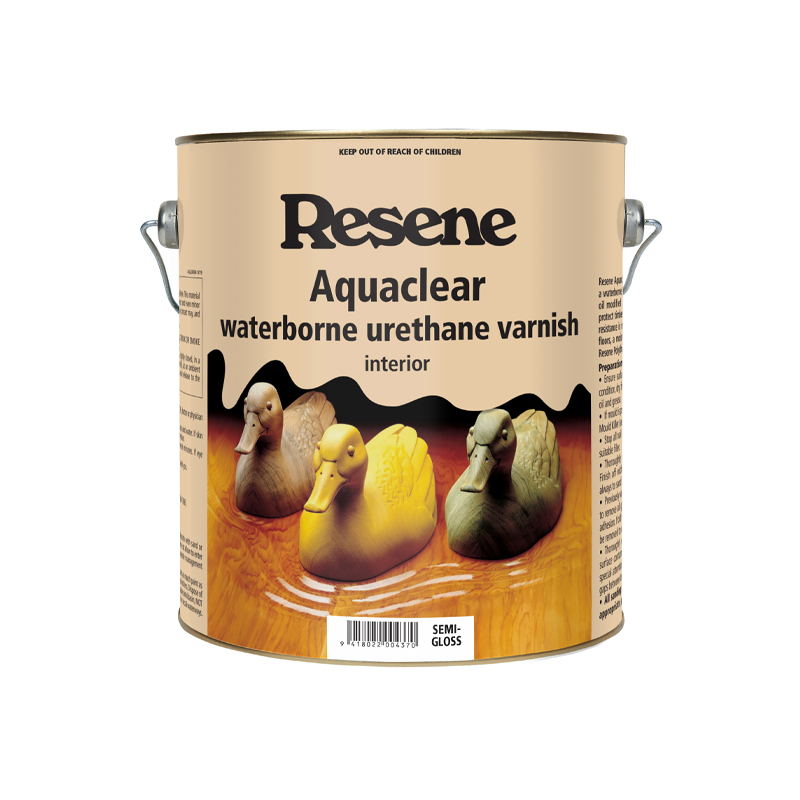
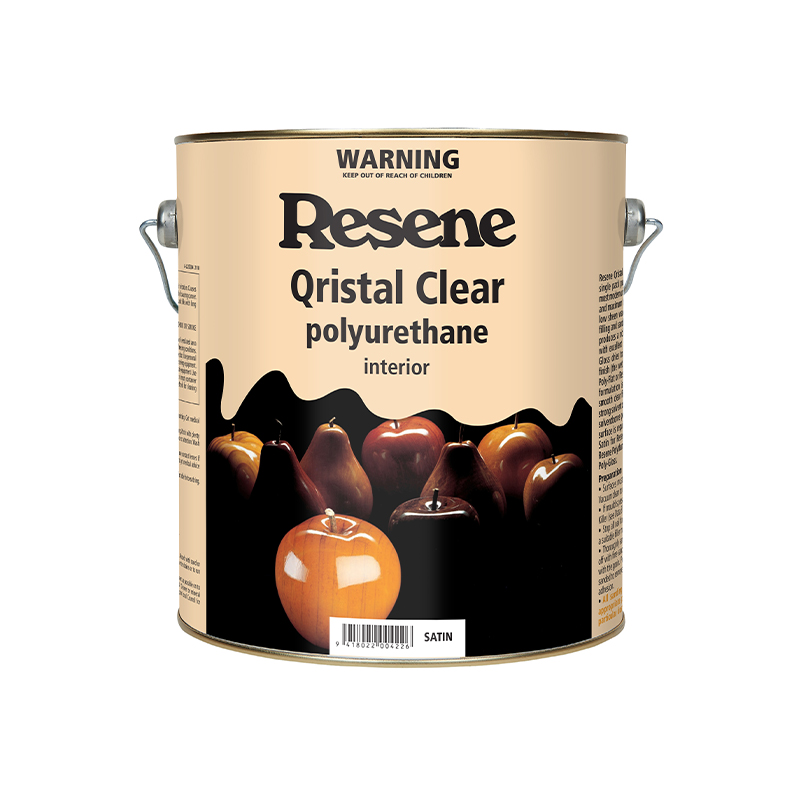
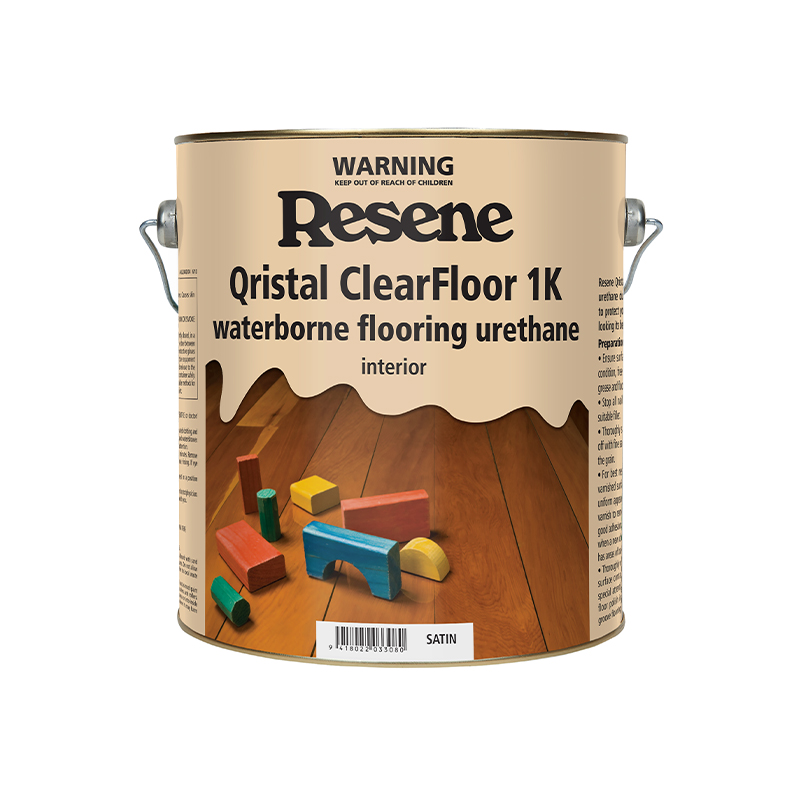
Resene Colorwood is usually overcoated with Resene Aquaclear waterborne urethane varnish, Resene Qristal Clear polyurethane or Resene Qristal ClearFloor 1K waterborne flooring urethane. Rough sawn interior timber such as ceiling beams can be stained with Resene Colorwood without clear finishing or polyurethaning.

It is advised to apply a basecoat of Resene Colorwood before applying a clear topcoat. Even when you’ve opted for a natural look, this is still recommended for protection purposes. While clear topcoats do protect timber, they will still always let light pass through and cannot prevent UV light from attacking the surface of the wood. The tinter in Resene Colorwood helps to block some of the UV light to provide more protection than a clear finish.

As with paint, you can vary the sheen level of your clear finish on different surfaces if you wish and some are more appropriate for various parts of your home. A gloss finish will be easiest to clean and best for high traffic areas, while a flat finish will give the most natural matte look.
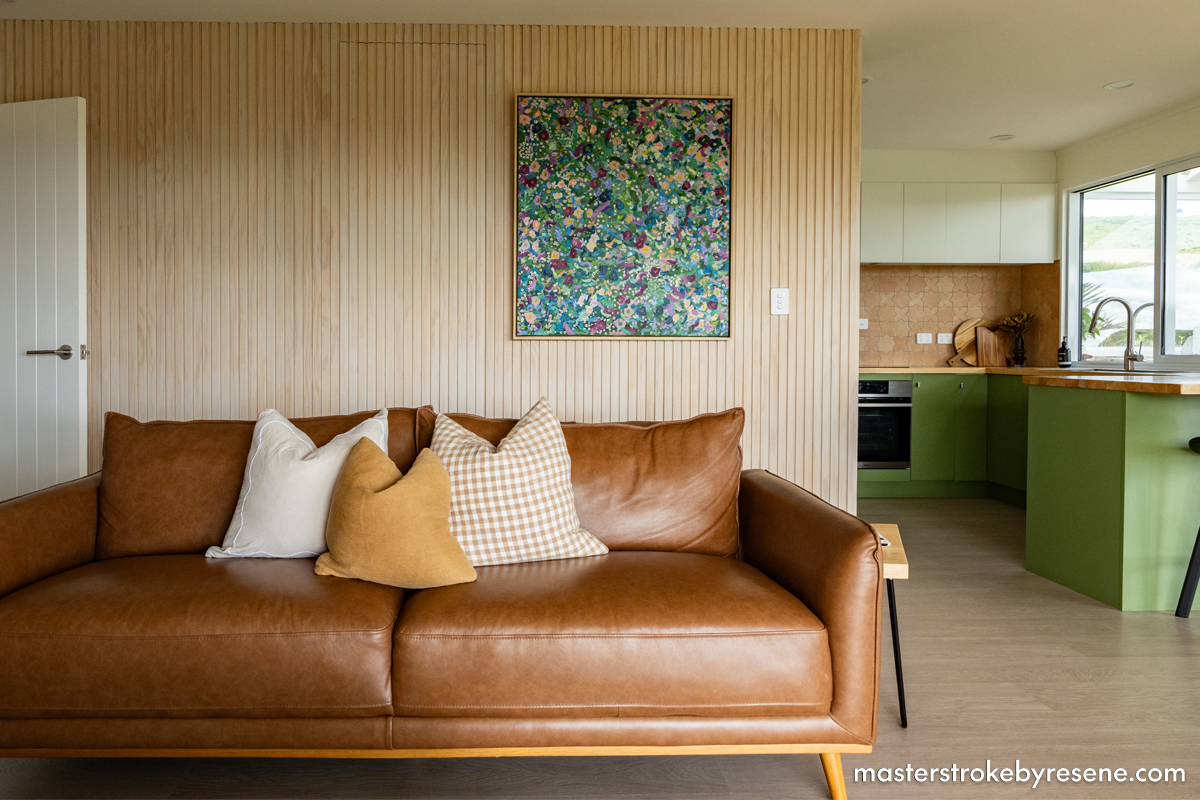
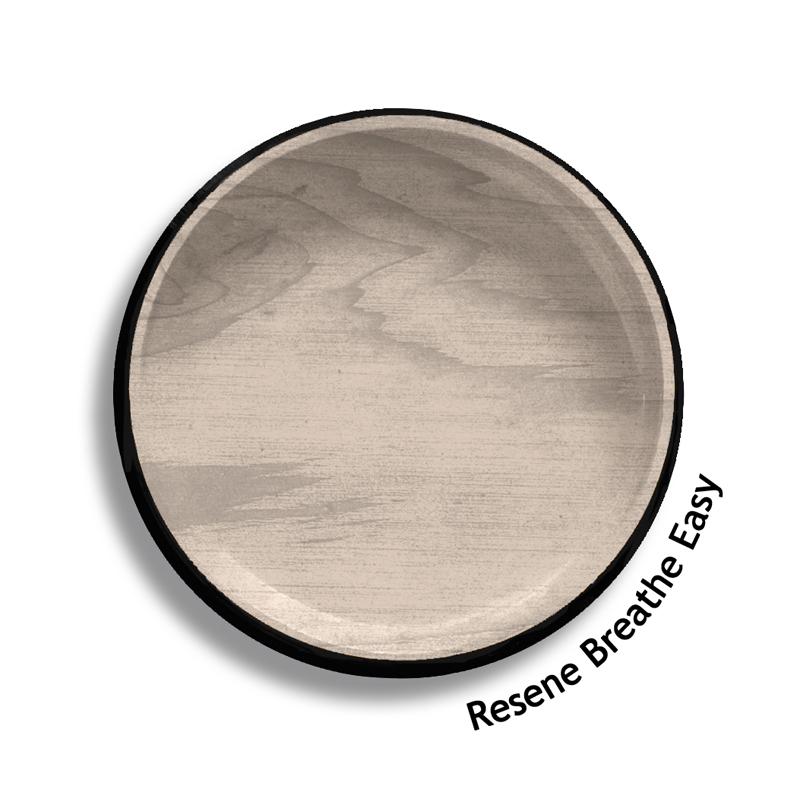
This bespoke timber feature wall is stain washed with Resene Colorwood Breathe Easy, creating a focal point in the space and the perfect backdrop for the custom artwork painted with Resene testpots.
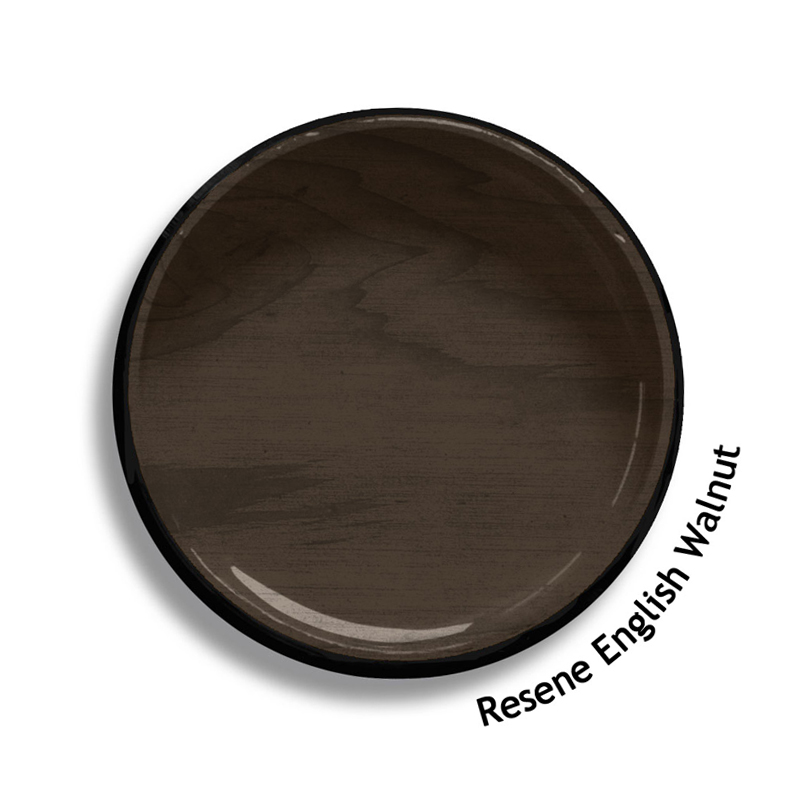
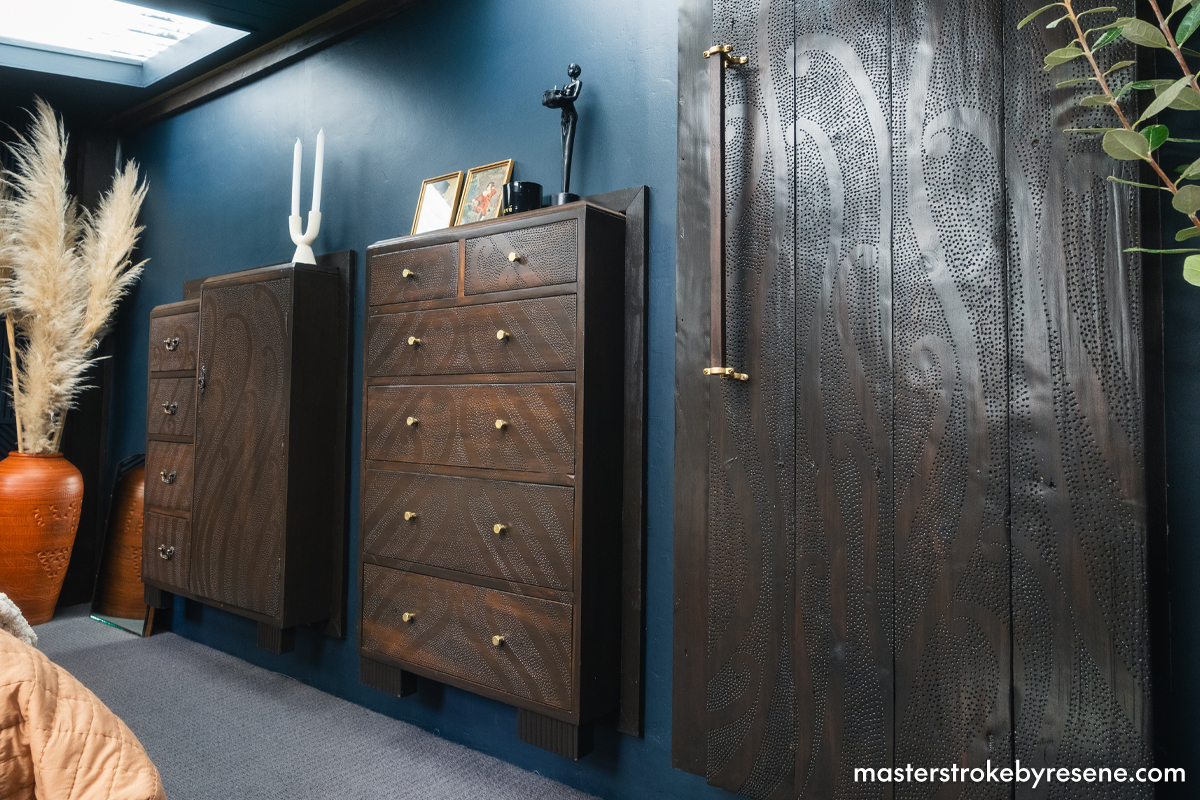
After sanding and carving Māori-inspired designs into this mid-century furniture, it was coated with Resene Colorwood in Resene English Walnut and finished with Resene Aquaclear Satin.

Stain preparation

Before you apply your stain to new timber, make sure the surface is sanded to remove any imperfections. As stain is semi-transparent, any residual marks or blemishes on the surface will be visible in the finished job. Remember to always sand with the grain of the timber.

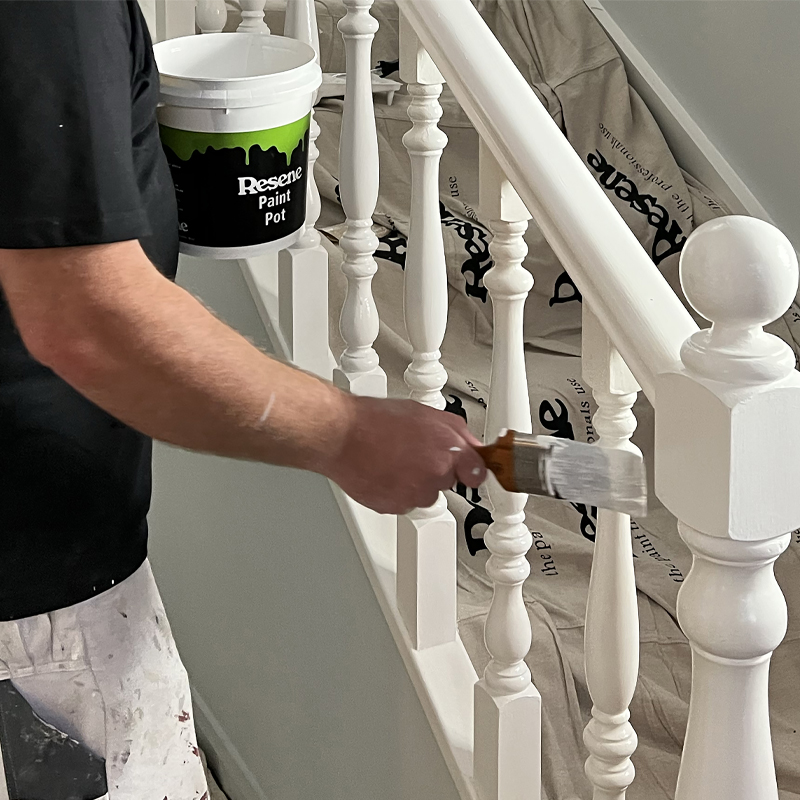
Make sure the area is free of dust – giving the area a thorough dust and vacuum will help greatly. Be careful not to use old brushes or rollers with dried out paint embedded in the bristles, and always pour your stain into a paint tray or pot to avoid potential contamination of the whole container. As a final surface preparation step, wipe down bare timber or old varnish with a tack cloth. If you’re using satin or matt finish clear coatings, be aware that they contain flatting pigments and the contents are more likely to settle, so stir regularly during the application period.

Application tips

  • As Resene Colorwood is semi-transparent, any marks and stains on the timber will show through. Sand new wood following the grain to remove any surface imperfections and wipe clean before applying Resene Colorwood. 
  • Resene Colorwood should remain wet before wiping off the excess. Allow the product to stay on the surface for approximately five minutes before wiping. Ensure the stain is applied evenly – the longer the stain is left on the surface, the deeper the colour will be. Take care to avoid lap marks as these will make your finish appear uneven.
  • Wipe the surface using a clean cloth to remove excess stain and have extra cloths handy to replace saturated cloths.
  • Leave Resene Colorwood to dry before overcoating with a clear Resene finish. Interior stains left uncoated have no resistance to blemishes like watermarks or coffee cup stains. 
  • Application of too many coats will lessen the transparency of the stain. If a darker colour is required, get a darker colour tinted, rather than trying to apply too many coats of a lighter colour
  • Cleanup after using Colorwood is as easy as its application. Most colours will wash off using just soap and water, providing the stain has not cured.
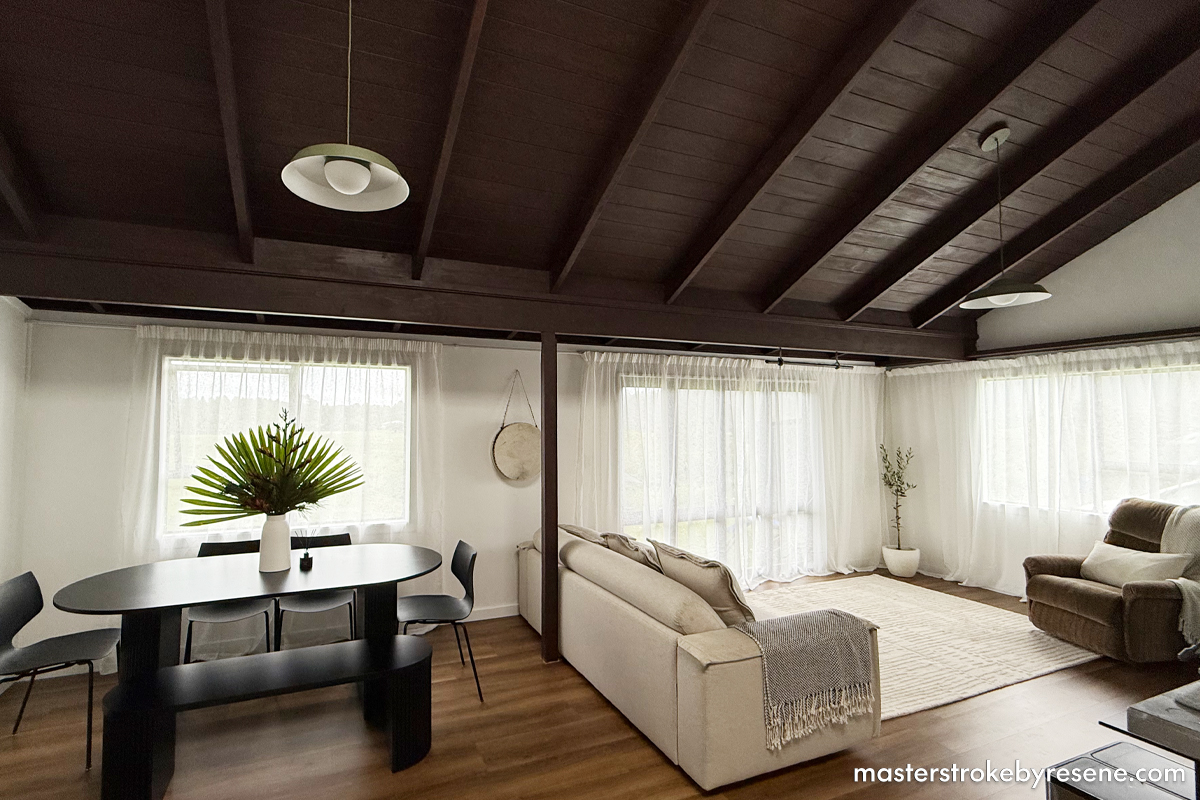
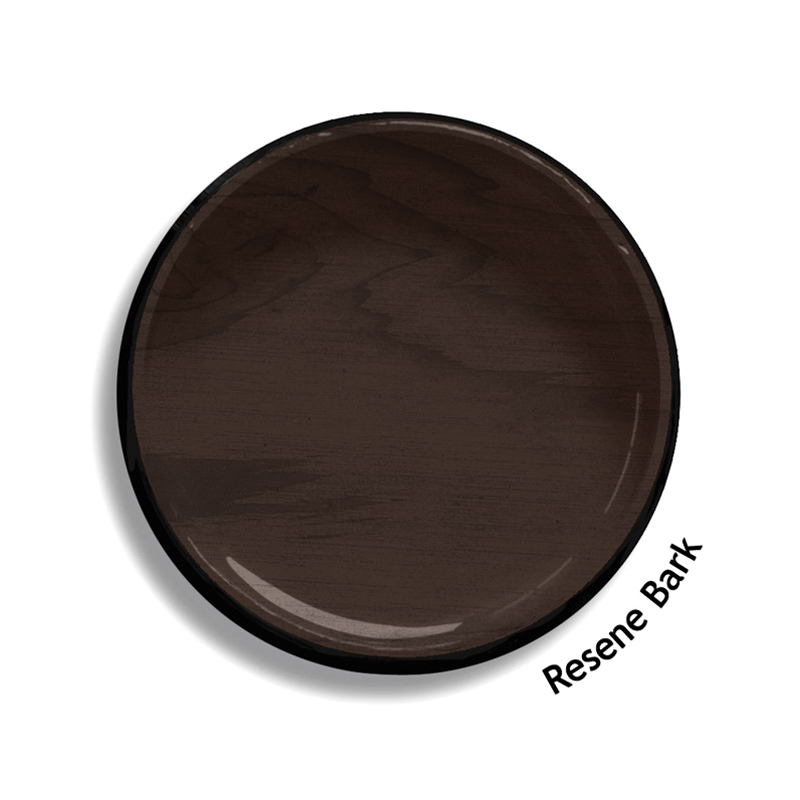
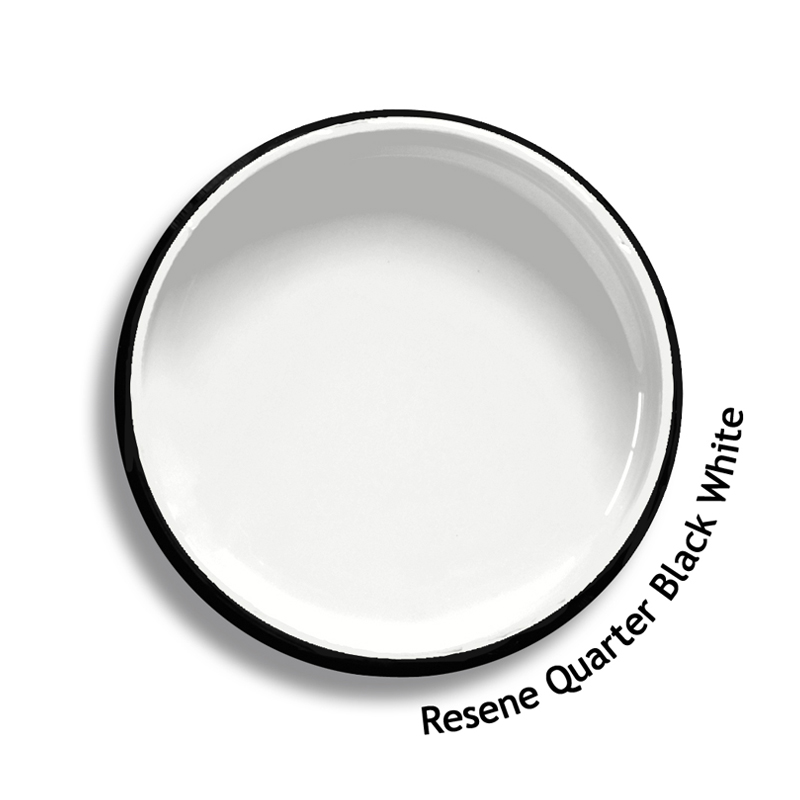
This classic Lockwood home was given a modern makeover with the ceiling stained in Resene Colorwood Bark to contrast with walls painted in Quarter Black White.
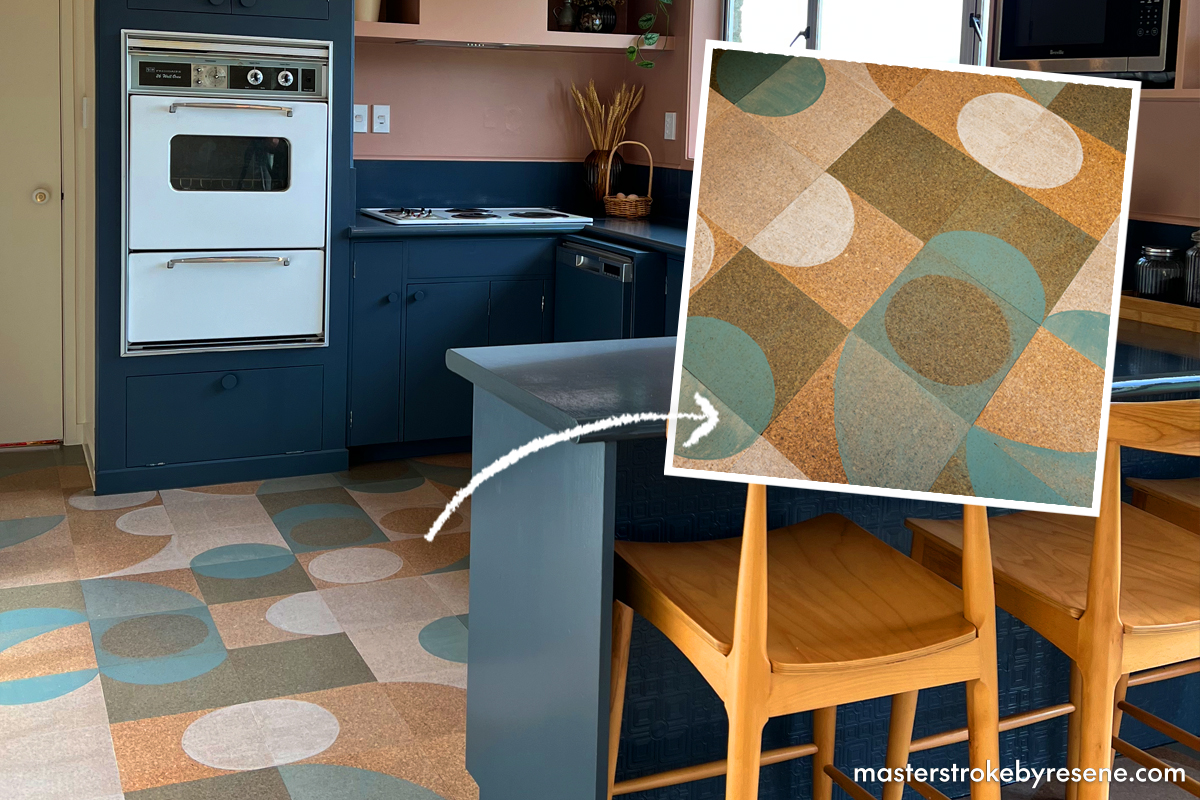
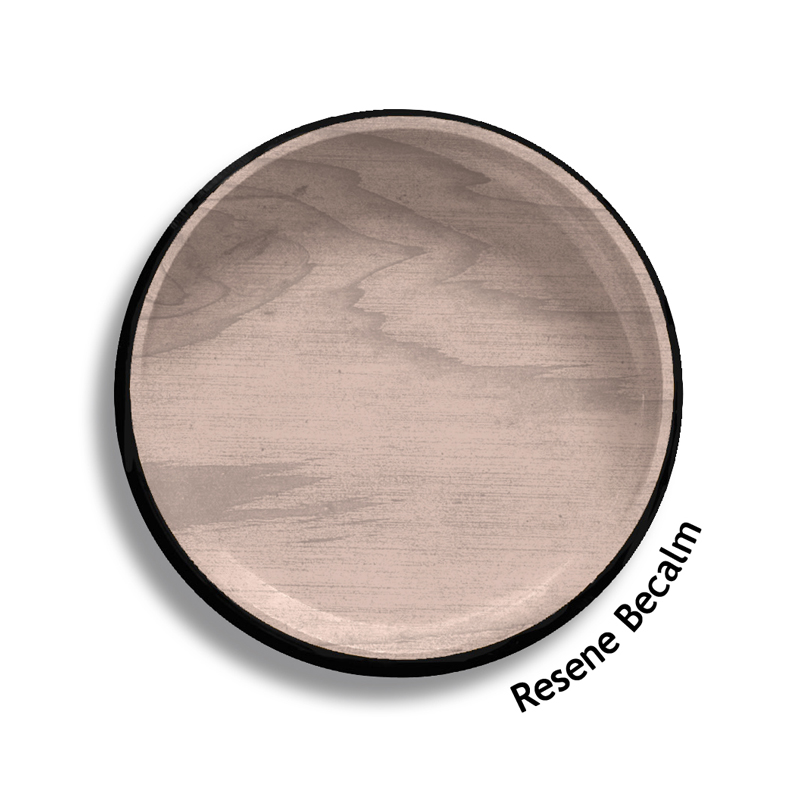
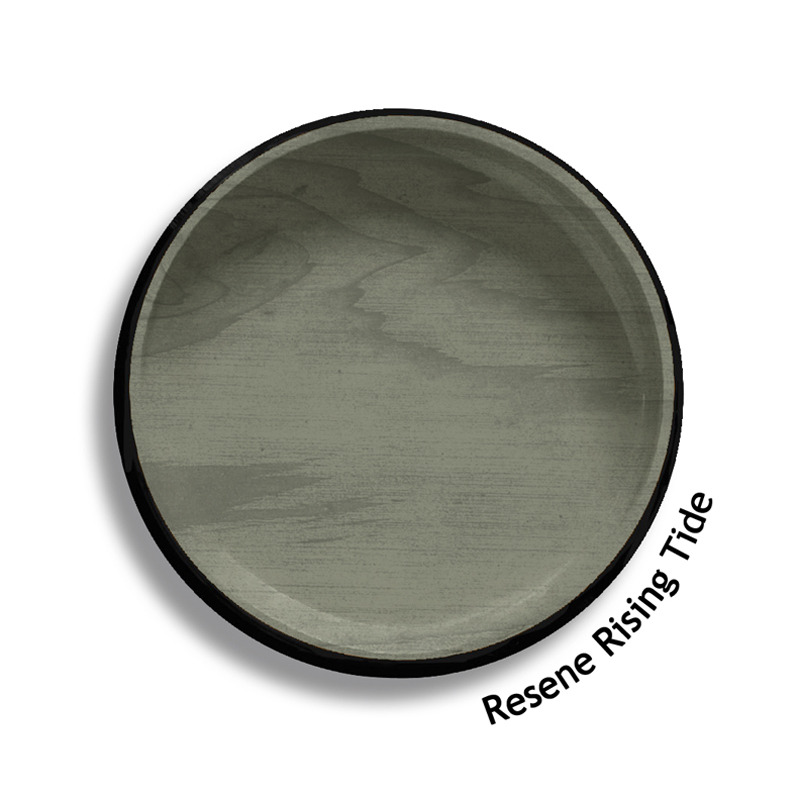
You don't have to stick with one colour – the cork tile flooring in this kitchen was updated with a fun, geometric pattern using Resene Colorwood in Becalm and Resene Rising Tide, before being sealed with Resene Qristal ClearFloor 1K.

Whitewash

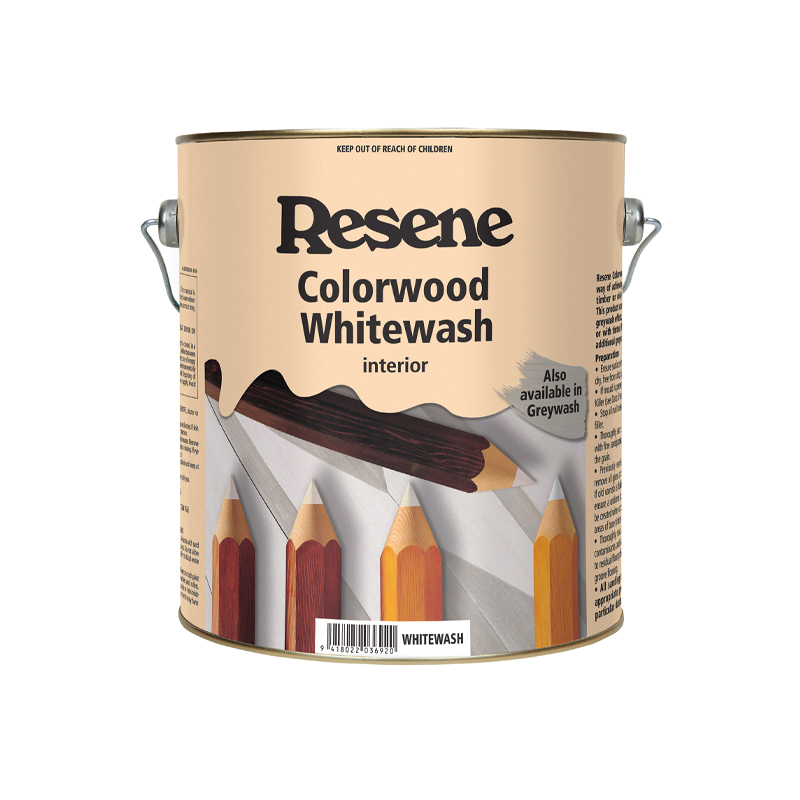
For a light, on-trend look, try Resene Colorwood Whitewash or Greywash – these colourwashes sit on the surface of the wood rather than penetrating like a stain, but they still allow the natural grain of the timber to show through. The Resene Colorwood We Speak Beach range is also an excellent solution here. The six weathered hues are inspired by the coast and can be used individually or combined into a coastal palette. 

Enhance the timber

Another option for interior timber is using Resene Colour Enhance, which is available in four shades, including black.  It is added to the clear finishes and applied over unstained timber to help bring it to life – think tired washed out Rimu skirting boards and window frames. Resene Colour Enhance Red Brown is designed to bring these back after the UV has sucked the life out of the timbers. Resene Colour Enhance White is used a lot over whitewashed walls also.

Bring the outside in

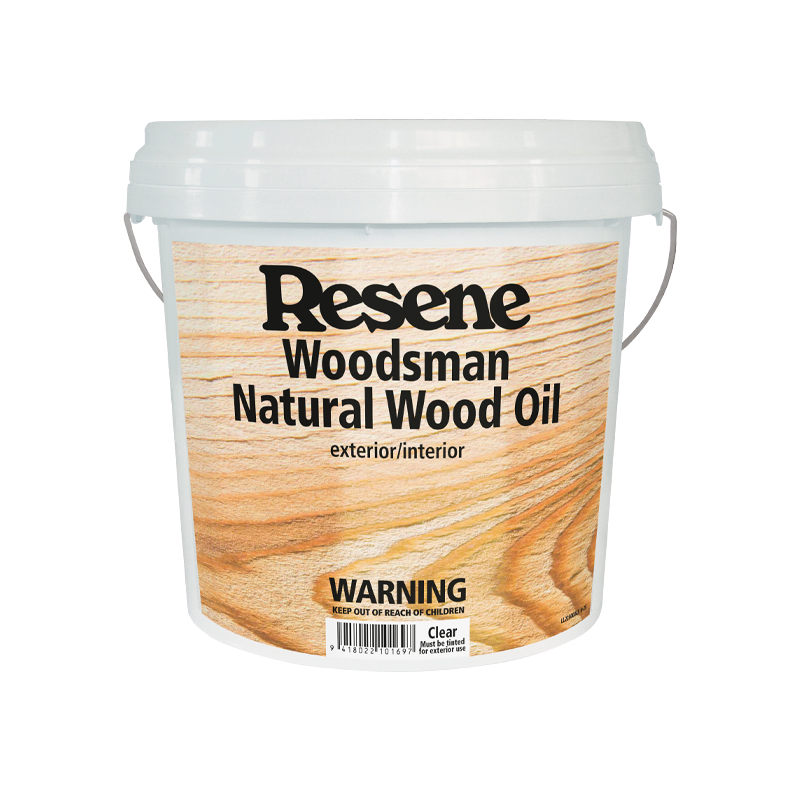
Resene’s new Woodsman Natural Wood Oil (previously called Woodsman Natural Cedar Wood Oil) can be used on interiors as well as exteriors. So it is ideal for timber walls and ceilings – especially those that flow through to the outside. 

For more information, tips and advice on Resene interior stains, head to your local Resene ColorShop and talk to our experts, or ask an expert online.

About MasterStroke by Resene
MasterStroke by Resene is here to help you master your paint and decorating DIY projects. Brush up on your skills with advice, tips and ideas from our trusted experts.

Check out the latest how-to videos on our YouTube channel.