Ask an expert

Helpful tips for painting in summer

Thanks to the warm and (generally) dry weather, summer is a great time to get some long-planned painting jobs done around your place. It’s important to note that the temperature and conditions do mean that you have to plan accordingly and,  at times, adjust how you work to beat the heat. 

Here are some helpful hacks for both inside and outside jobs that will ensure your summer paint projects are easy to undertake and look their best for years to come. 

Protect yourself

Painting outside in the full heat of the sun can be taxing on your body. Be sure to wear sunscreen, a hat and sunglasses, and cover up with a long sleeved shirt if you can. Stay hydrated, keep energy levels up by snacking regularly and remember to take regular breaks. 

Sun savvy

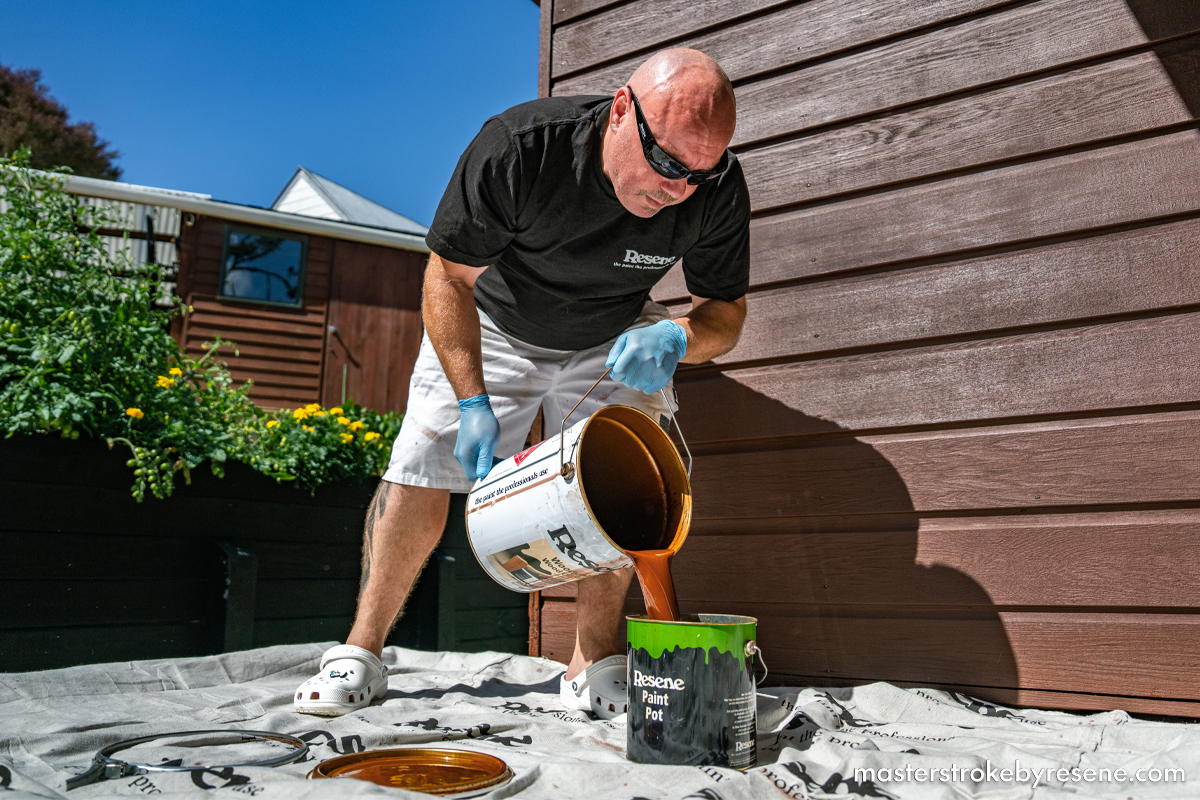
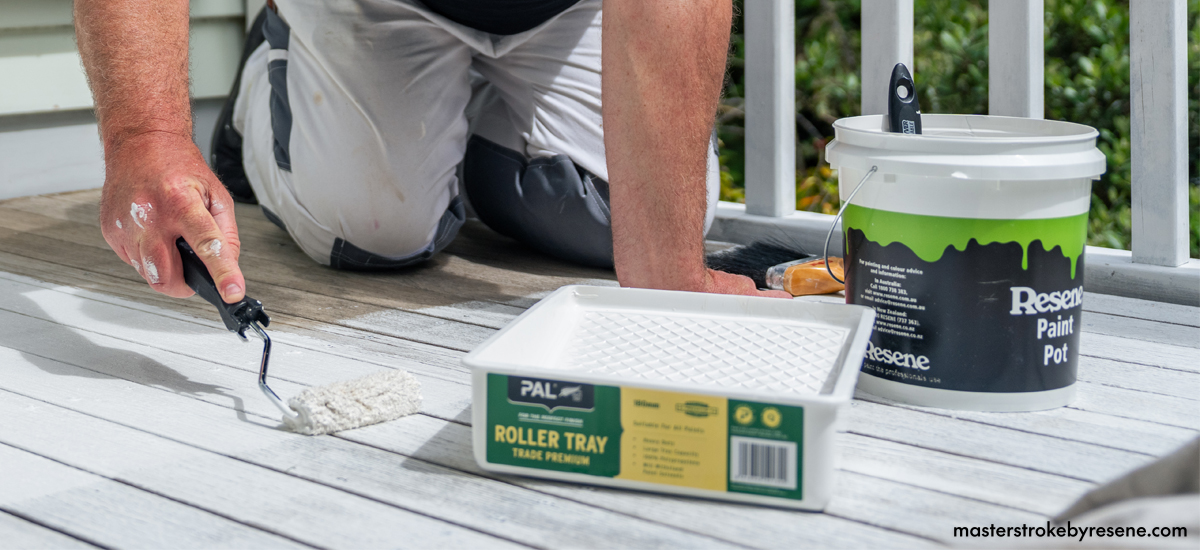
If you have to paint outside on a hot day, avoid painting in the direct sun. If possible, start early before it gets too hot and work on shaded parts of the house first, before they’re hit by the sun. Keep your main paint tin of the sun so it stays in premium condition. Instead, pour the amount you need to paint a small section into a separate paint pot or tray.

Ultimately it comes down to planning your day’s work to avoid applying paint in the direct sun.

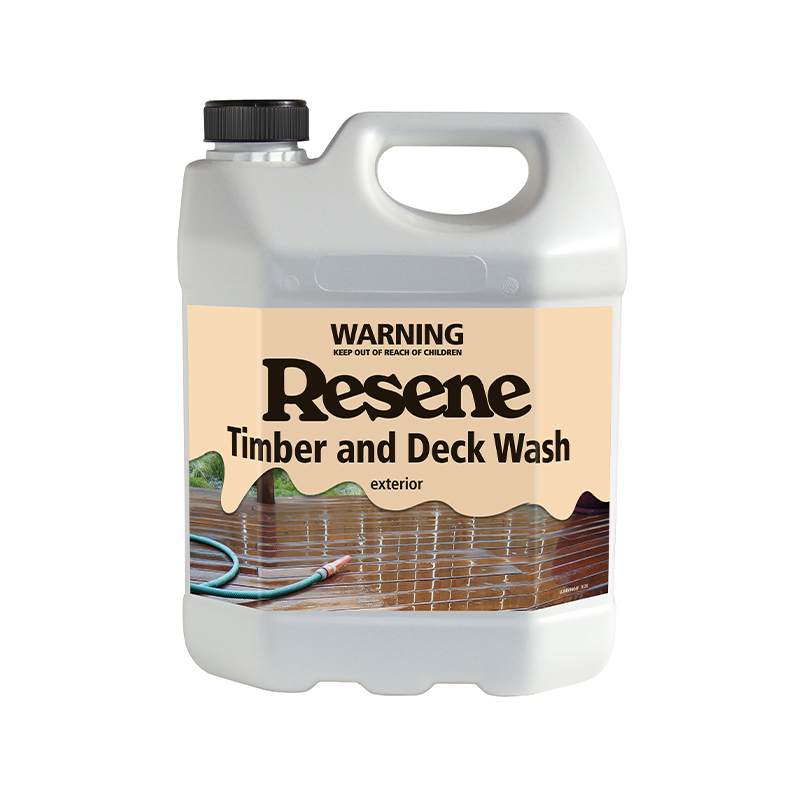
This is also an important consideration when using some cleaners, including Resene Timber and Deck Wash, it needs to remain damp on the surface for 10-15 minutes before scrubbing or water blasting off, if it’s too hot or in direct sunlight this becomes very difficult.

Protect your tools

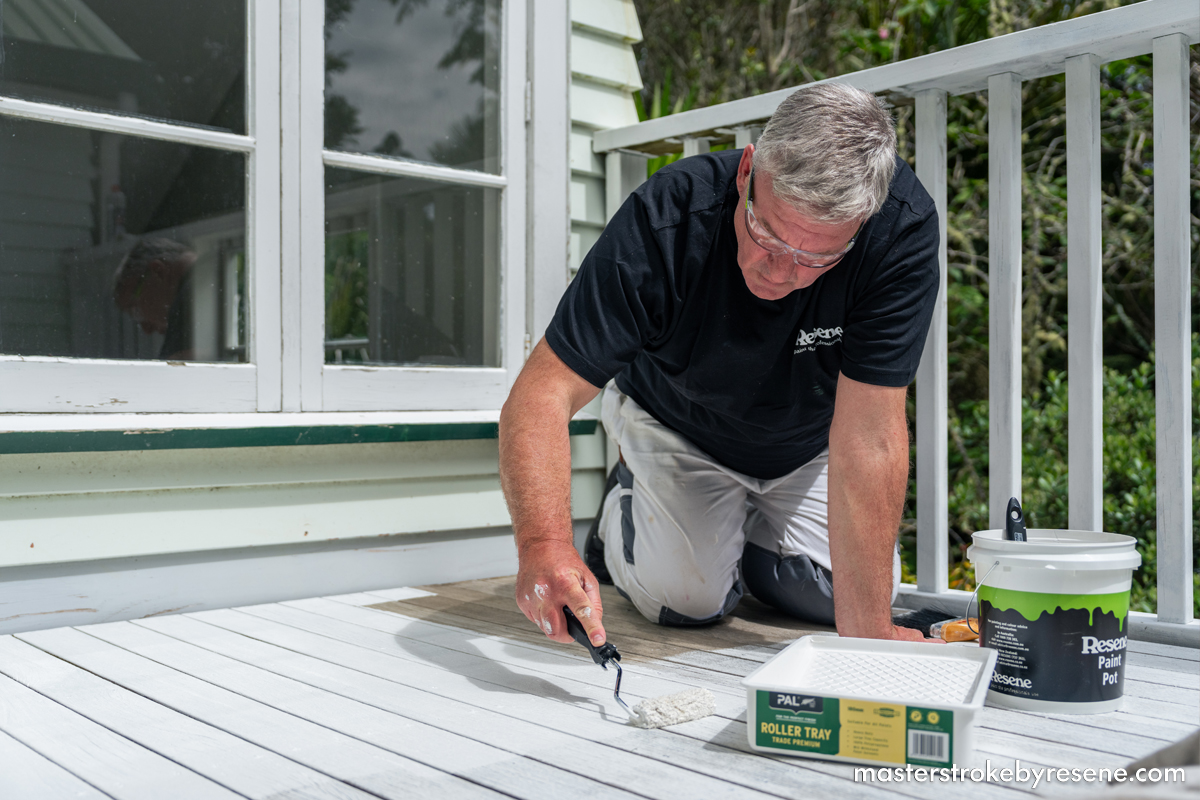
When you’re taking a break for lunch or overnight, wrap any brushes or rollers used with waterborne paints in cling film or place in a sealed plastic bag. This will keep the paint fresh and save you having to wash out your tools every time you take a break.
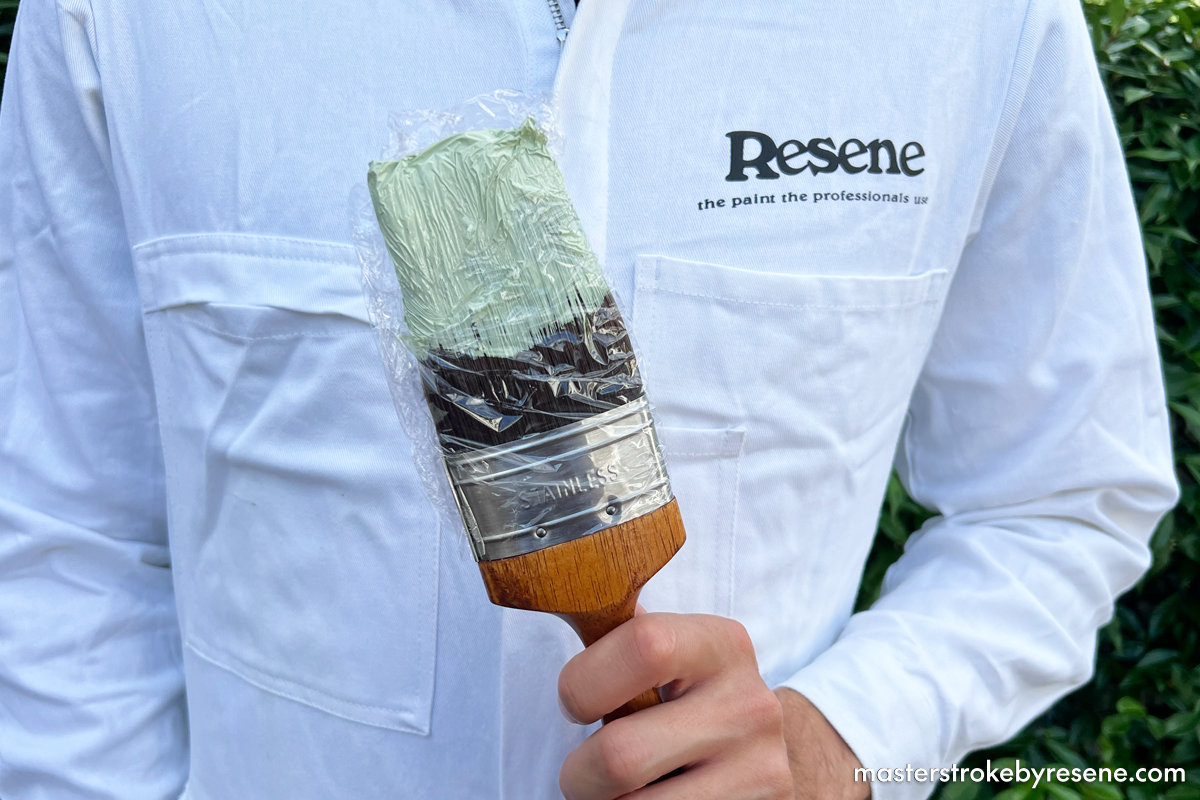
No need to wash your brush at the end of the day if your job isn’t quite finished – just wrap it in a reusable plastic bag or cling film and keep it in a cool place.
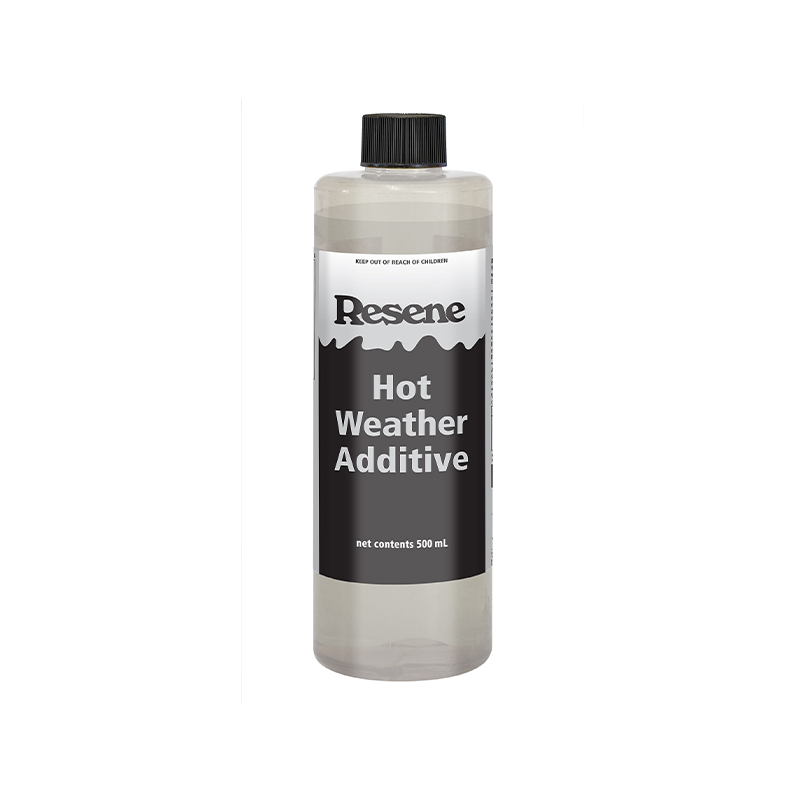
Resene Hot Weather Additive is your secret weapon when the mercury rises.

Use additives

In very hot conditions, water will evaporate from the paint and the paint will thicken and become difficult to apply. It will be tough to keep a wet edge and your paint finish may become patchy. To help overcome this, add Resene Hot Weather Additive, which can slow down the drying time and give a longer wet edge. And if the surface is porous – such as unpainted concrete or plaster – it can be pre-wetted with water before the application of waterborne paints.

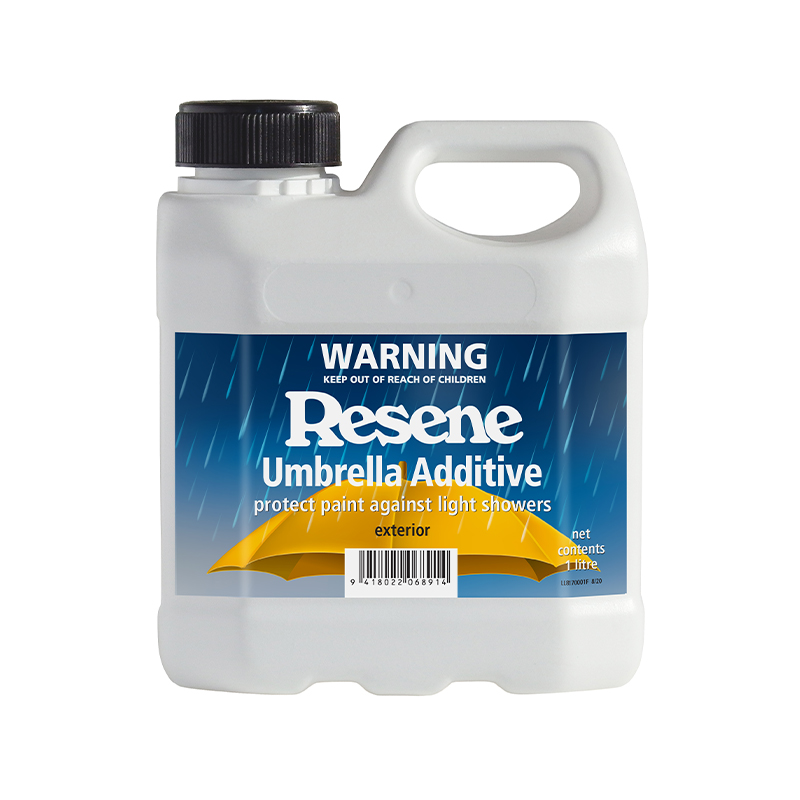
Although it’s best to avoid painting in medium or heavy rain, a few light drops don’t need to dampen your spirits. If you’re painting on a day where a light shower may randomly occur, use Resene Umbrella Additive. This product adds a protective layer to your paint so light drops will roll off the surface – even on paint that hasn’t fully dried! It’s not designed for rain or heavy squalls – on those days it’s best to paint indoors instead or focus on prep work.

Clean your latches

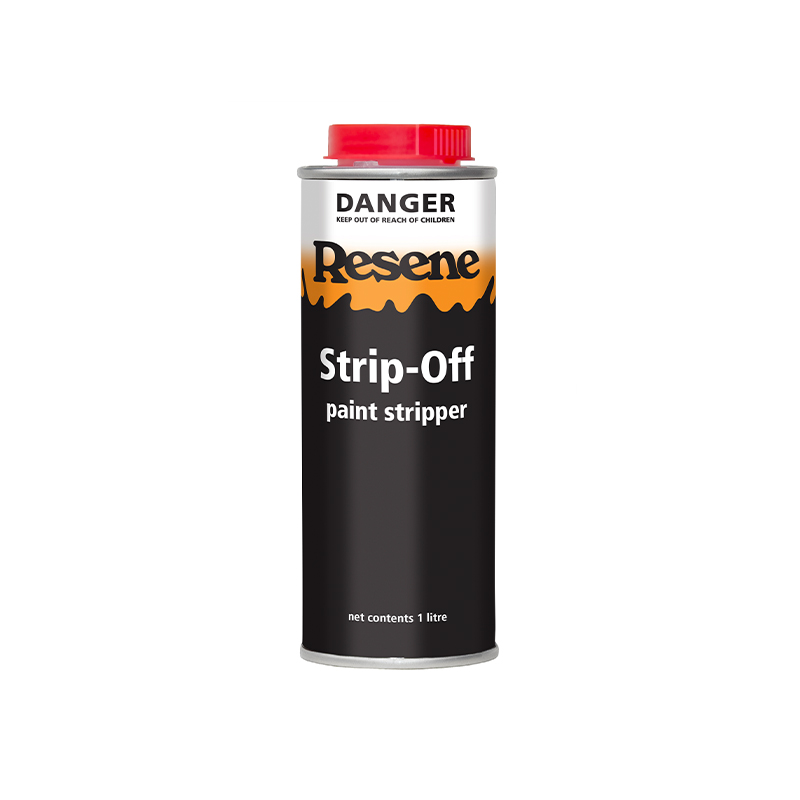
Painting doors and windows and dealing with paint-splattered latches? Luckily these are simple to clean up, using Resene Strip-Off paint stripper. Make sure you put on your safety gear first, then remove your latches and place them into a paint pot with Resene Strip-Off.

Use a brush to thoroughly wet the surface of each latch with the Resene Strip-Off and leave for at least 30 minutes before testing. If the paint removes easily, use a broad knife to scrape it off the surface. If the paint is still adhering firmly, leave for another 30 minutes before testing again. A softening period of an hour or more may be necessary. 

Do not allow the Resene Strip-Off to dry on the surface of the latch. In another bucket mix mild detergent with water and use a nylon scouring pad to scrub the remaining paint off the latches. Dry your latches with an old rag. Allow the painted surface to dry for at least 24 hours before you add the latches.

Important consideration: Before removing hardware, keep in mind that typically when returned, the screw fixings are compromised and weakened, particularly on older homes. So proceed with caution.

On hot days, wear sunglasses and sunblock and stay hydrated.
Remember to take regular breaks and avoid painting in the middle of the day if it’s too hot.

Say no to humidity

Humidity is the enemy of a speedy paint job. High humidity means the air has lots of moisture in it, making it harder for your paint to dry at the normal speed. If you can, avoid choosing muggy days for your painting project. For inside jobs, you can switch a dehumidifier on in the room you’ve just painted to draw any moisture out of the air; an air conditioner can work in the same way, to dry things out. A good sense check for whether your paint will dry is to think about washing hanging on the line – if it’s too muggy or humid for clothes to dry, your paint will struggle too.

Overheating home

Excessive heat is the other thing to keep an eye on when it comes to ensuring a robust long life for your painted surfaces – and the materials they’re made of. As well as causing some paint to crack and peel, heat and direct sunlight can cause some materials like timber weatherboards to crack and warp. 

If there are areas of your house that are subject to intense direct sunlight, you may want to consider using lighter paint colours that don’t absorb as much heat, or you can talk to the experts at your local Resene ColorShop about using a paint with Resene CoolColour technology, which helps the surface reflect more infrared heat to help keep it cooler. Your local Resene experts will be able to advise on the best products and colours to suit your unique conditions.

About MasterStroke by Resene
MasterStroke by Resene is here to help you master your paint and decorating DIY projects. Brush up on your skills with advice, tips and ideas from our trusted experts.

Check out the latest how-to videos on our YouTube channel.