Insects are a frustrating reality for pretty much all of us here in New Zealand. Some seasons are worse than others, but due to our climate, geography and natural environment, creepy crawlies feel just as much at home in our houses as we do.
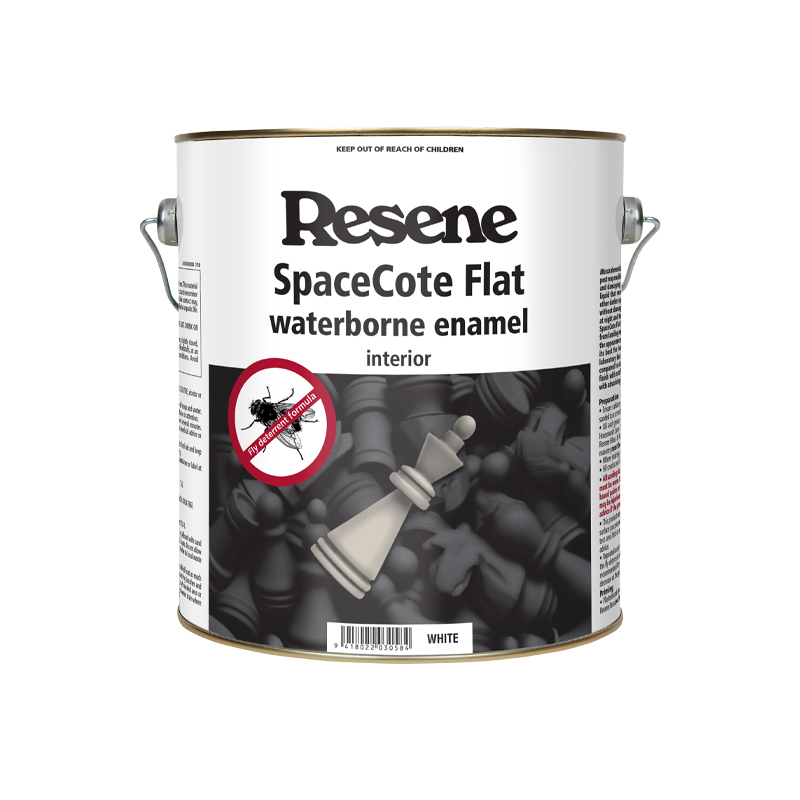
Once again, Resene comes to the rescue with ingenious solutions to a common problem, in the form of Bug Juice and Resene Fly Deterrent. Both products are specifically designed to keep insects off your paintwork, with Bug Juice actually eliminating them once they’ve made contact with the painted surface.
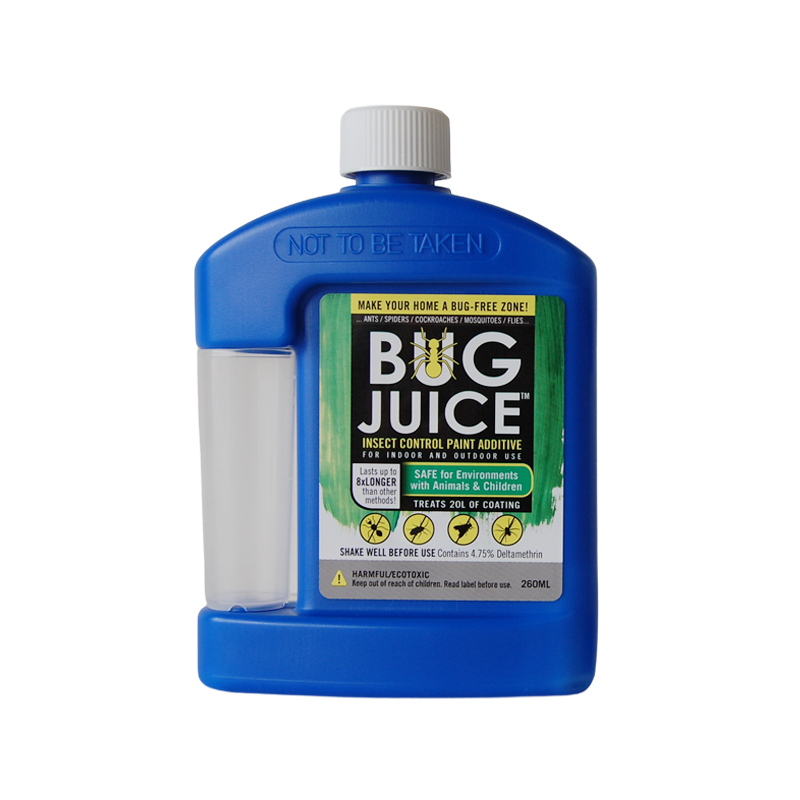
Bug Juice
This is an incredibly unique insecticide paint additive that’s designed to kill crawling and flying insects once it’s painted onto a surface, and it can be used nearly anywhere in your home. It’s a contact pesticide that begins to work after the insect makes contact with the treated surface and crawls over it. Bug Juice lasts up to four years once it’s applied and can be added to any oil or water-based paint, stain or sealant – all you do is mix it in, stir and apply as you would normally. It won’t affect the drying time and it’s completely odourless.
How it works
As an insect lands or crawls on a treated surface, their feet absorb the active ingredient via the sticky membrane that allows them to cling to the walls. Most insects will then die within 24 hours of contact. It’s completely safe and won’t harm humans, pets or birds; Bug Juice has a toxicity rating similar to an aspirin and a pH of 6 (saliva has the same rating).
The active ingredient doesn’t seep out of the painted surface, it’s only released when an insect makes contact. It’s fantastic for keeping ants out of kitchens, spider webs off your weatherboards and bugs out of your home for good by painting around your entry points.
How to use it
Bug Juice only needs to be applied to the topcoat, not the primer or base coat, and the only paints it can’t be mixed into are epoxy-based and other 2k (component) coatings that are normally used in industrial applications.
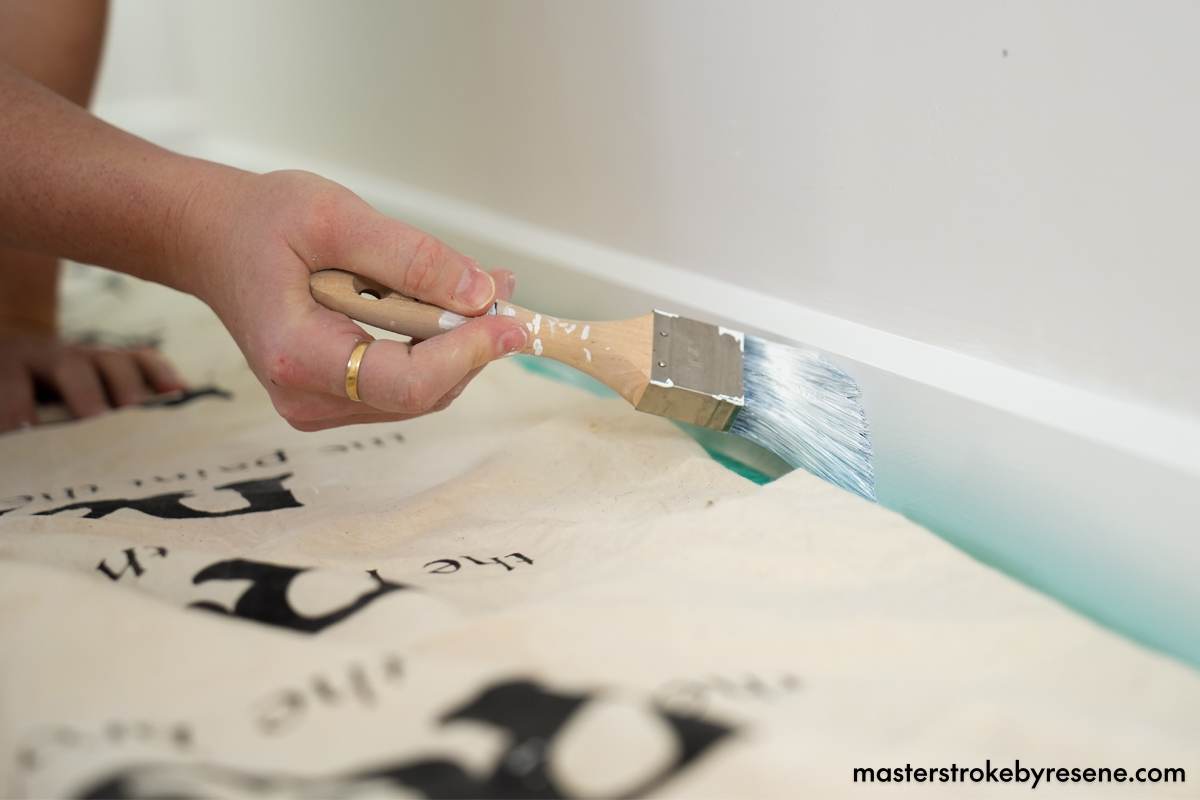
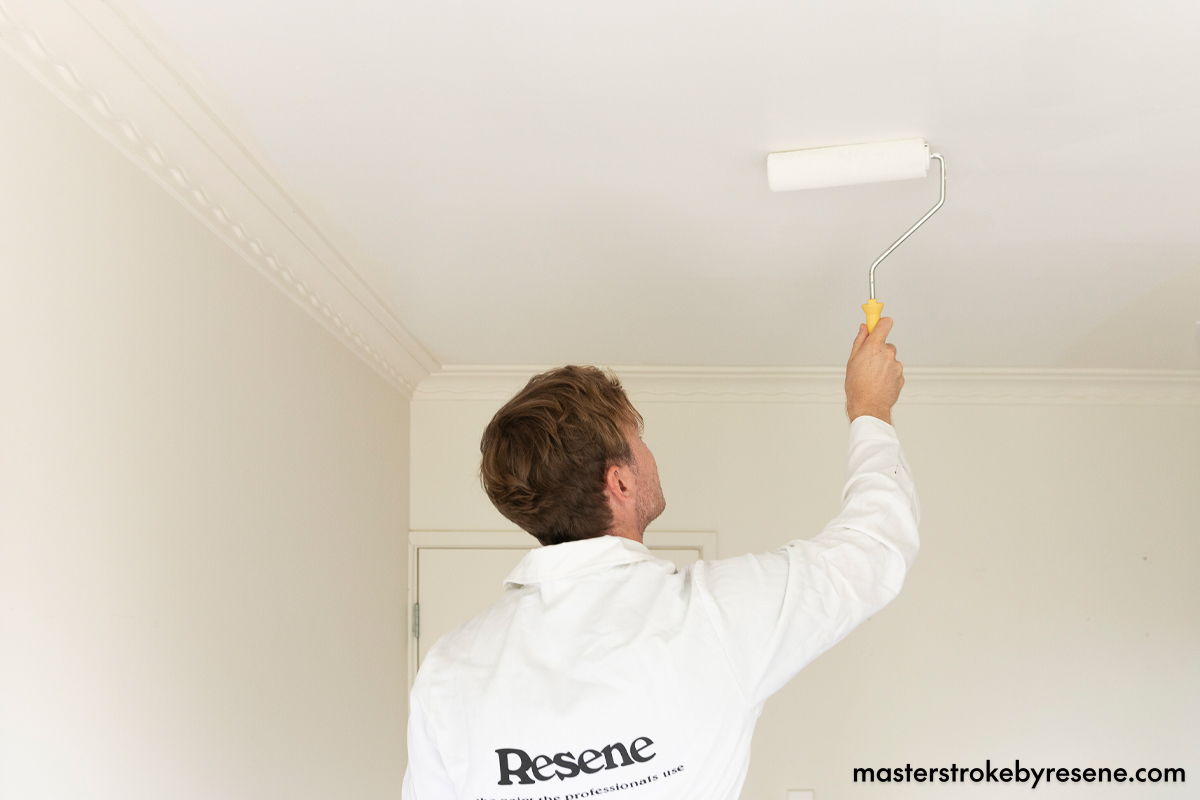
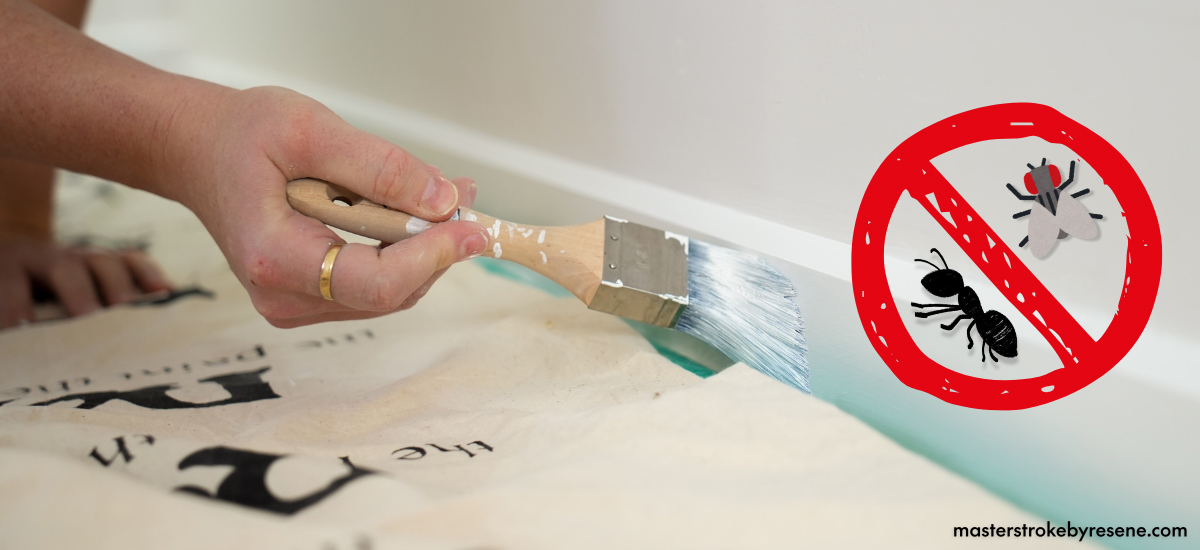
It’s recommended that the paint and Bug Juice mixture is used within five hours of preparing it, otherwise it’ll lose its effectiveness. You can use brushes and rollers to apply – it’s not recommended to use spray equipment in this instance. The only surfaces Bug Juice shouldn’t be applied to are plastic and Formica.